|
Return to Expertise
Our Process
1. Discovery
During Discovery our team meets with stakeholders to determine project scope and establish the objectives. Contensive provides creative association web design, strategic branding,
user experience consulting, Information Architecture review and input,
wire-frame prototyping, brand messaging, online marketing and content
organization strategies to support your organizations online goals. Discovery Design Goals
- Create content delivery
structure that addresses multiple audiences, each with unique needs.
- Design user friendly
navigation system and with multiple page layout formats for scalability.
Discovery UI Goals Understand
informational and functional needs of target audience(s) and define how they
will interact with the website.
- Clearly
establish the specific goals for each user group.
- Determine
how success will be measured.
The end result of discovery is to develop the Creative Strategy
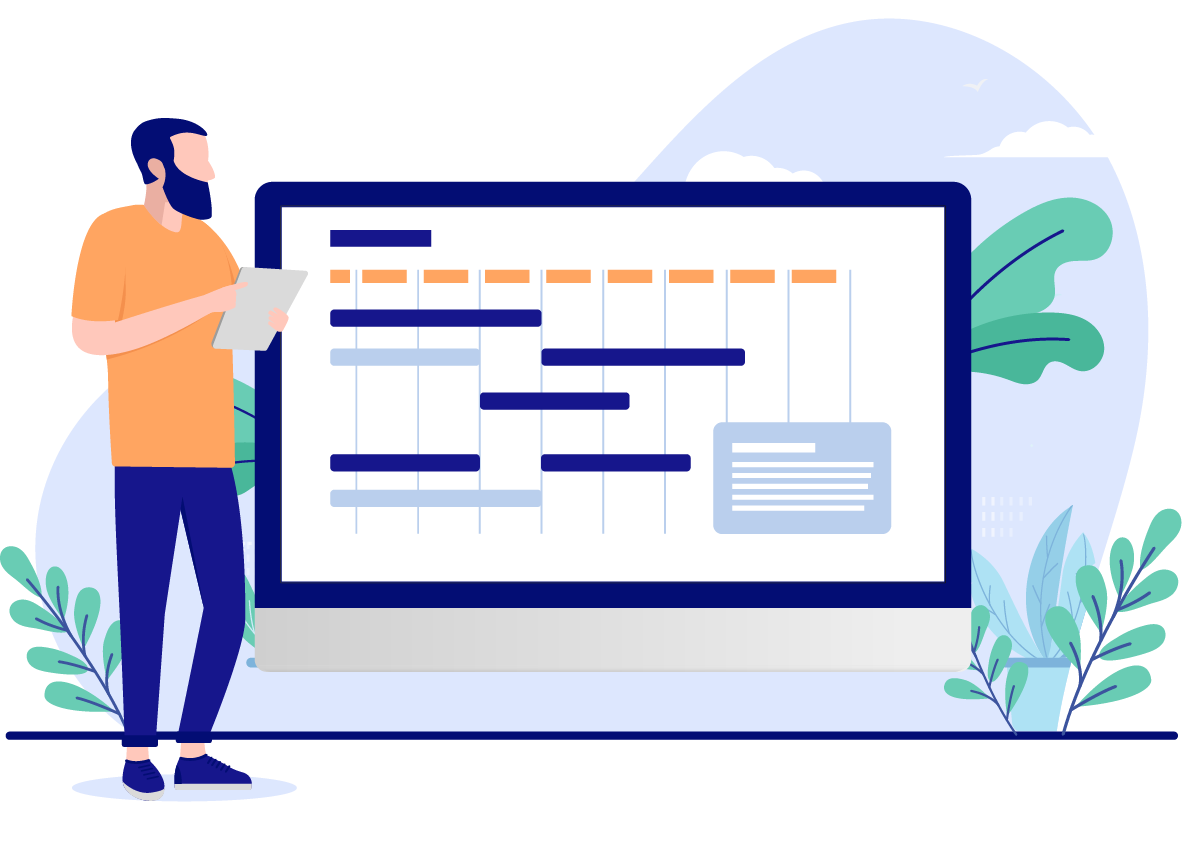
and Technical Requirements Document which is the blueprint for the website design
and the implementation strategy, leveraging the comprehensive social
networking, online marketing and programming features of Contensive CMS to
automate information sharing, and reduce administrative burden. These documents
include a detailed project plan outlining tasks, needed resources and critical
paths for site launch.
2. Design
During the
association web design phase we utilize the creative brief developed in Discovery to guide the
direction of your organizations online opportunity. We work with your staff to review and conduct an analysis of your source
content, such as; provided presentations, materials, surveys, recommended
websites, case studies, and testimonials. Wire-frame Development
- Provide
user experience reviews through wire-frame prototypes of each main user group.
- Develop wire-frame prototypes for content review of all main sections with brand messaging and promotional “calls
to action.
- Provide user interface design directions/creative
mock-ups for review/discussion and modifications + 2 revisions
After the wire-frames are approved we move into the actual
design/art stage. We provide image research, iconographic options for
navigational aids, fonts, stylization and color palette that works within your
brand standards including: Website
Design & Brand Integration
- Web production of Advanced CSS Style
Sheets, HTML/XHTML and graphics of approved User Interface templates,
- Create multi-use templates for specialized
page applications such as mobile devices
- Backwards Compatibility browser testing to ensure a consistent
delivery of look and feel.
3. Implementation
During
this phase our programming engineers build out all functionality based on TRD
and wire-frames. They set up the back-office
database and develop any synchronization strategies to legacy databases (if
needed). Working with the design team the engineers develop all of the
customized add-ons, and install any standard add-ons that will be necessary to
meet the requirements in the Technical Requirement Document to deliver the most powerful and flexible CMS system for associations and non-profits. Implementation
- In the
development stage the Client Technical Contact will be the main point of
communication with the client. The
Client Technical Contact needs to be available to answer any questions during
implementation. During this period the
Account Manager will ensure the Client Technical Contact is kept up to date on
all development activities.
- When the
development is complete internal Alpha
Testing begins. Alpha testing is
performed by the developer to verify all features are included and can be
demonstrated. Once completed the project
is transferred to a live Staging Server and Q/A begins.
- QA is
performed by the Quality Assurance manager and guarantees the project conforms
to the TRD and wire-frames. Once complete
the project is turned over to the Account Manager to present the Client Technical
Contact for Customer Acceptance.
- The
Customer Acceptance is where the client performs acceptance testing in the
staging environment. Customer acceptance
testing is complete when the client signs the “work is complete, authorization
to publish” form.
4. Site Launch
Deployment occurs when the project has QA, Project manager,
Development, and customer acceptance.
The Developer then publishes any remaining changes to the production
server. We work with you to ensure your DNS is set up correctly, schedule the switch then test again to make sure everything works the way you expect it to work.
|